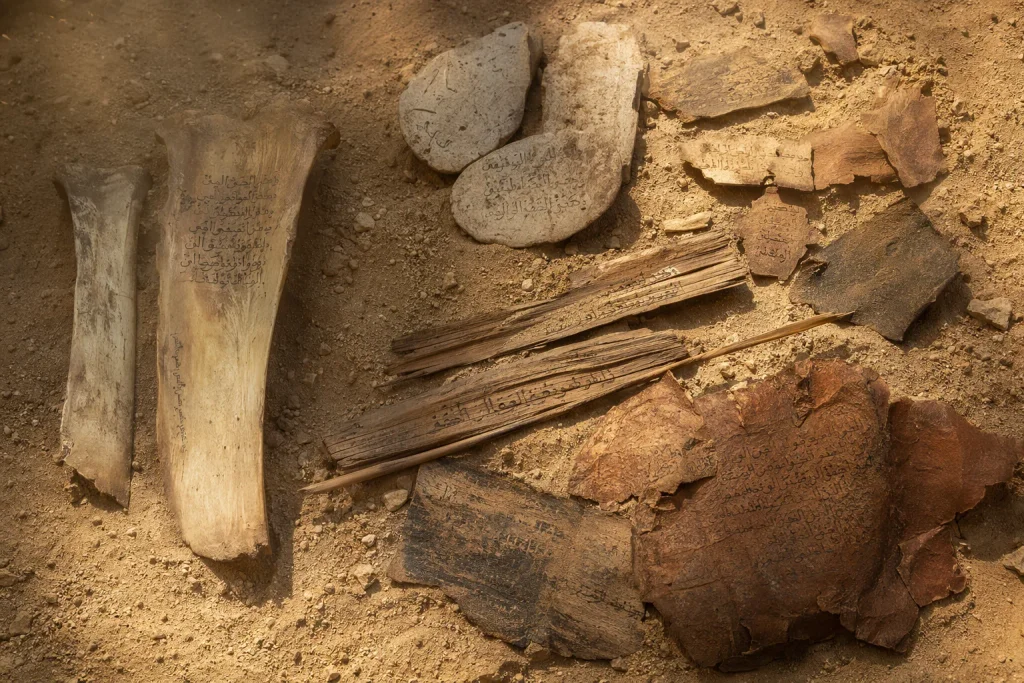
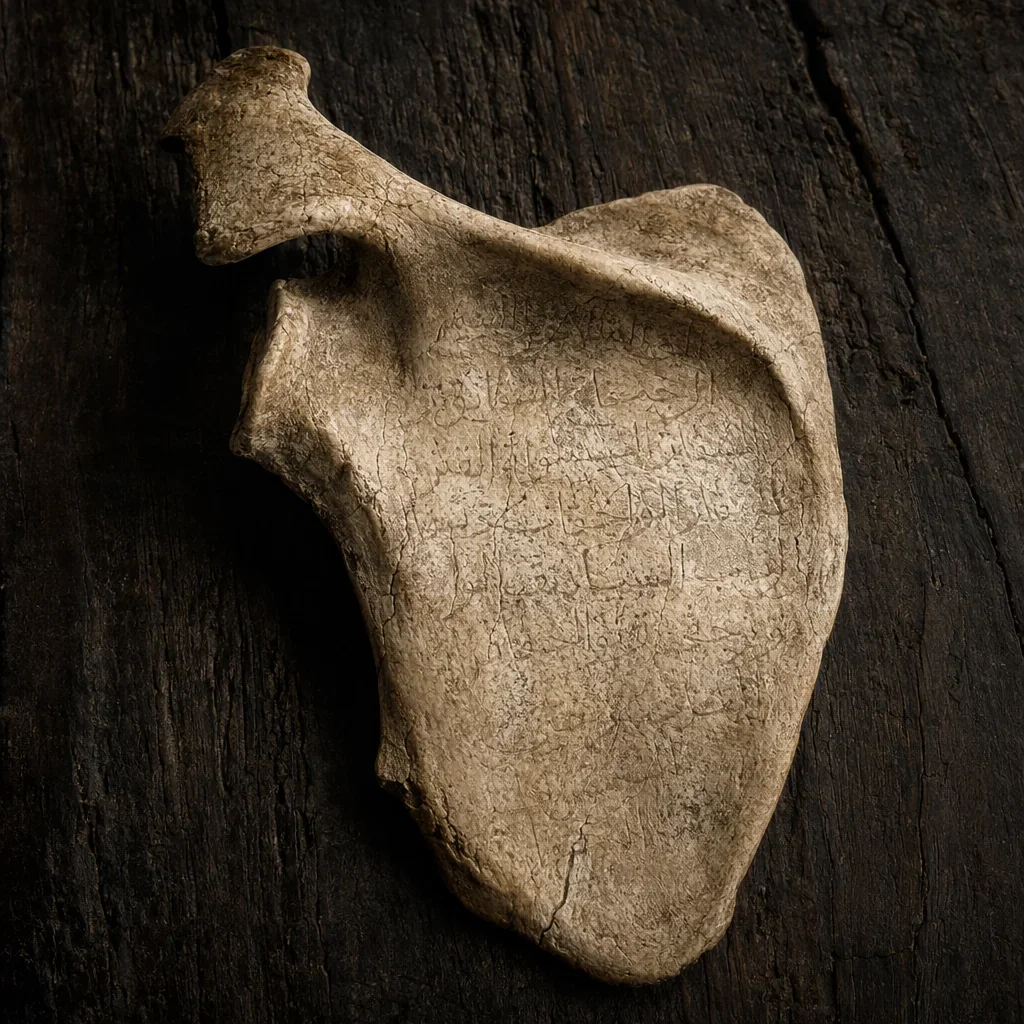
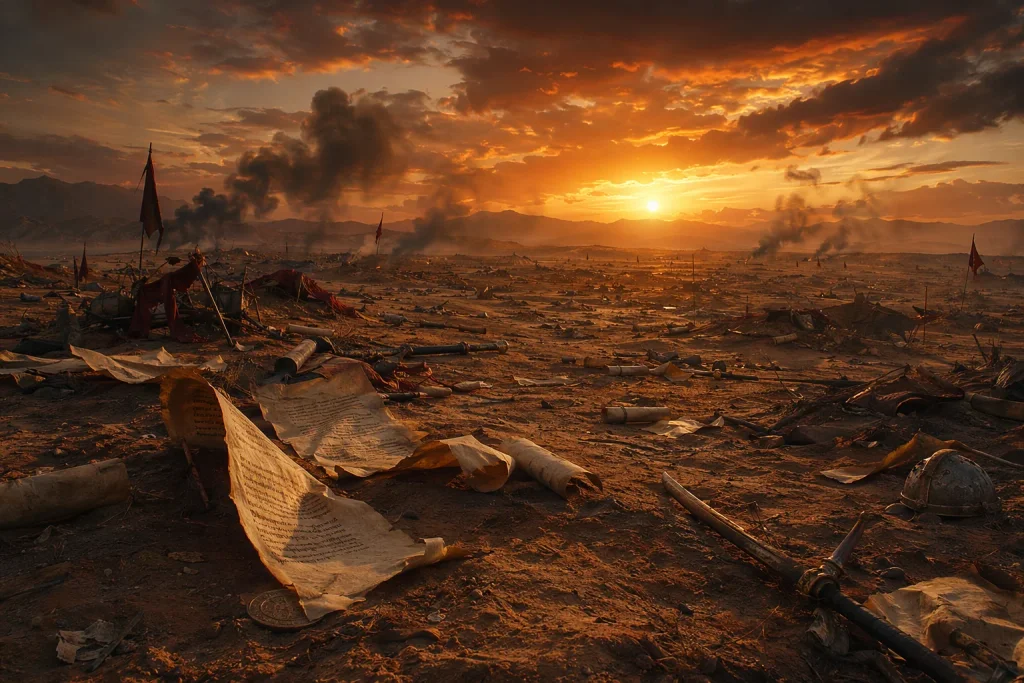
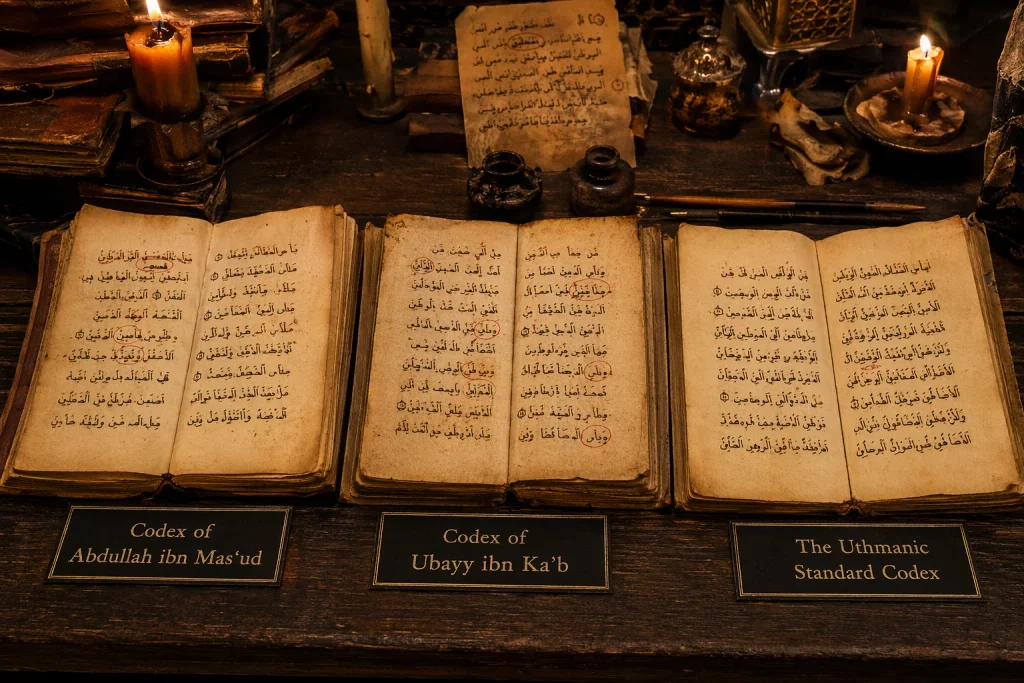
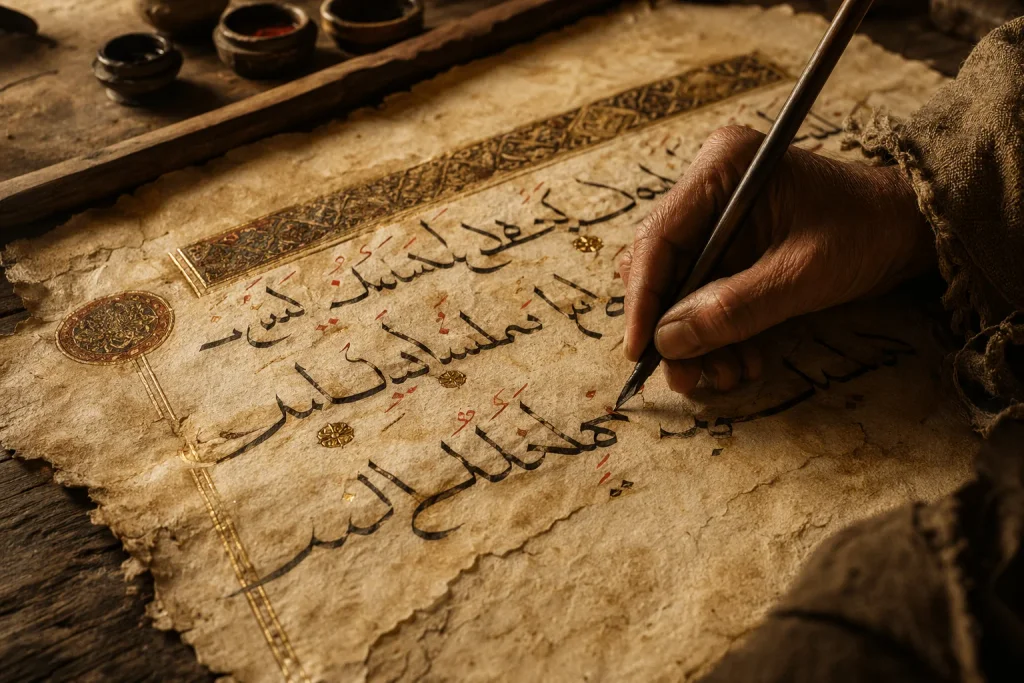
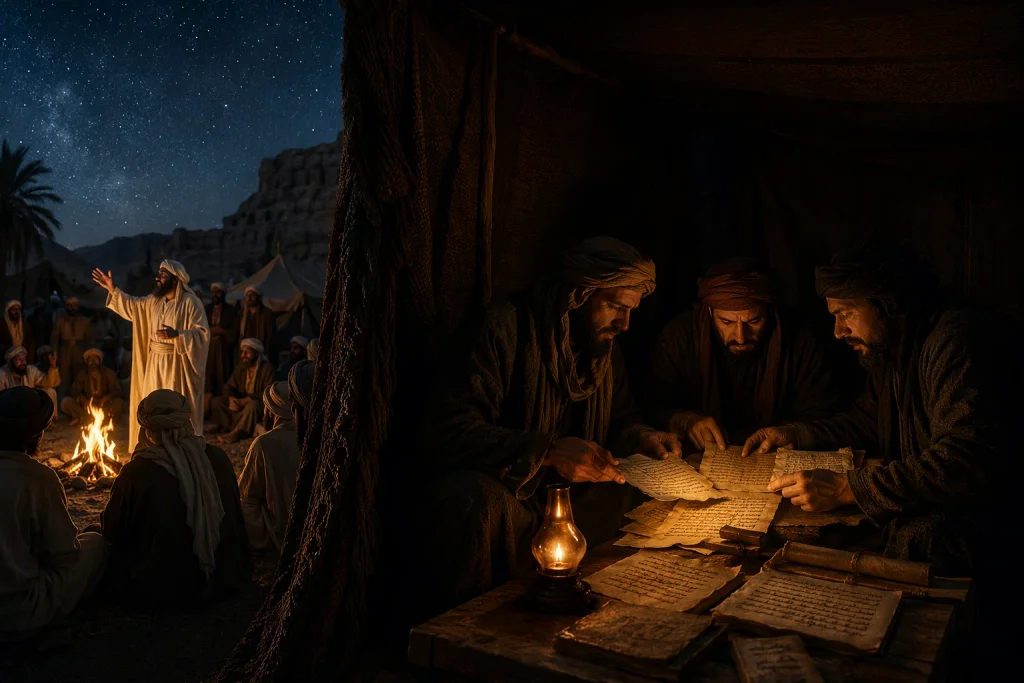
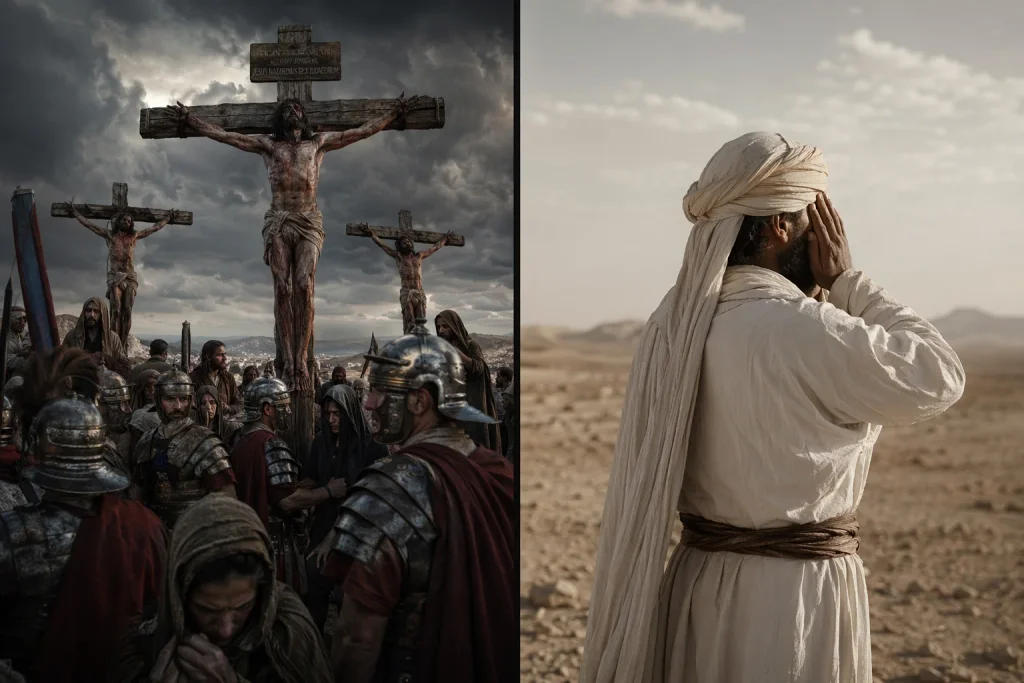
Muhammad died in 632 CE. The first complete written compilation didn't happen until after the Battle of Yamama — when so many memorizers were killed that the surviving companions panicked. That means the Quran existed only on scattered, perishable scraps for at least two full years after Muhammad's death — and on those same scraps for the entire 23-year revelation period before that.
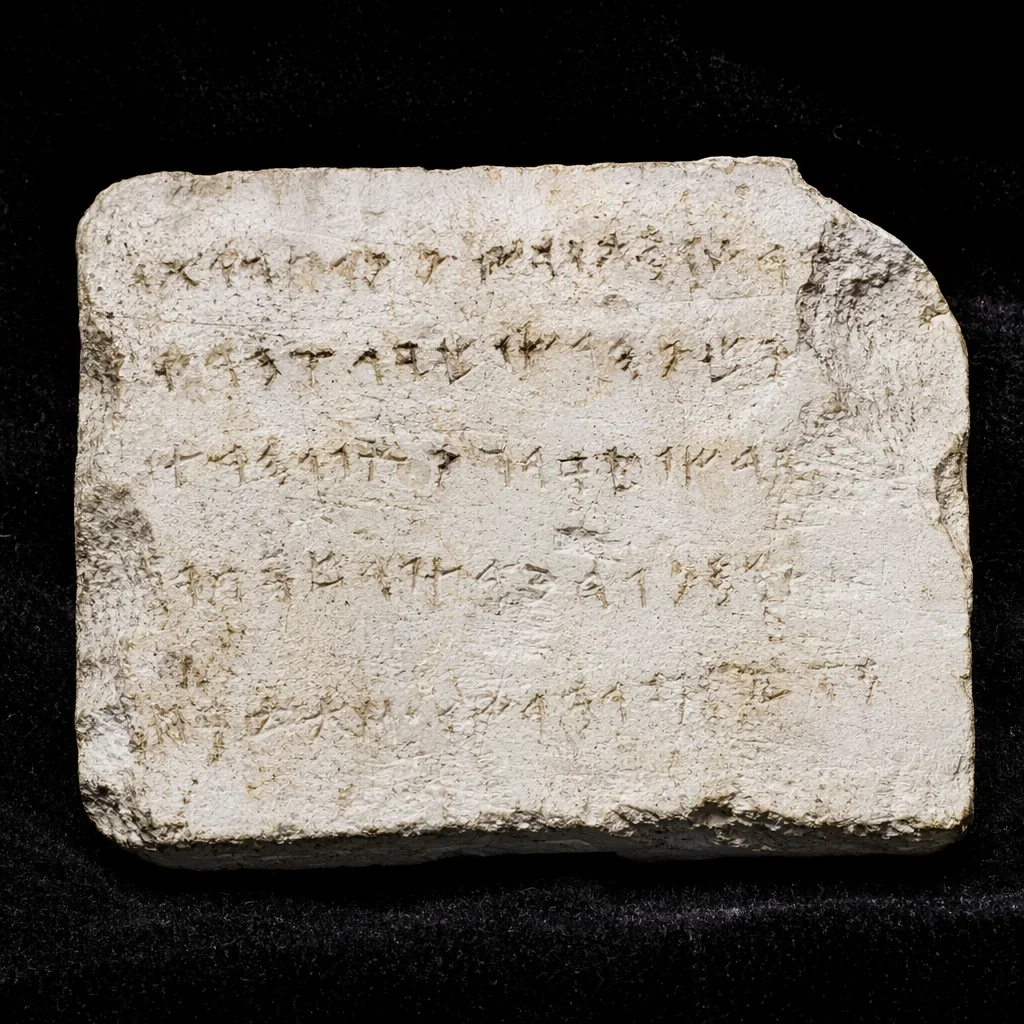
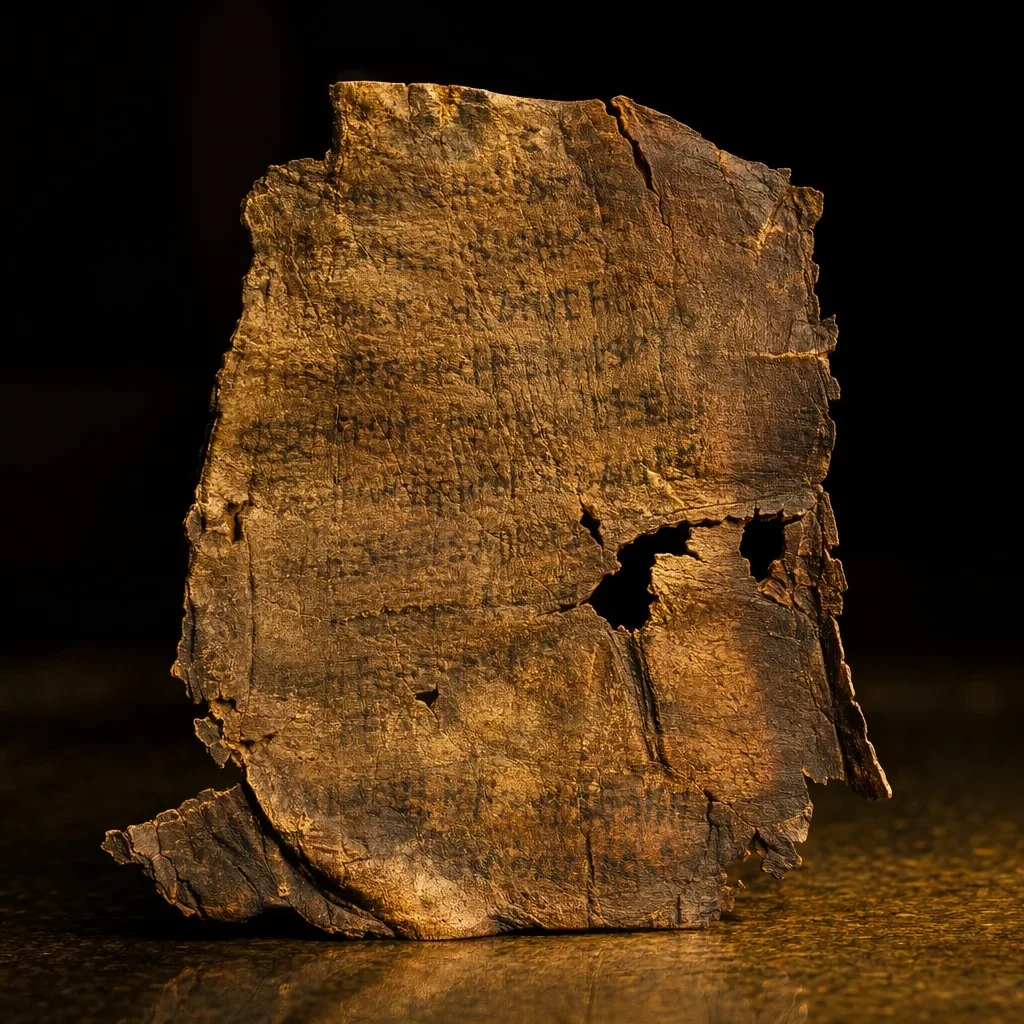
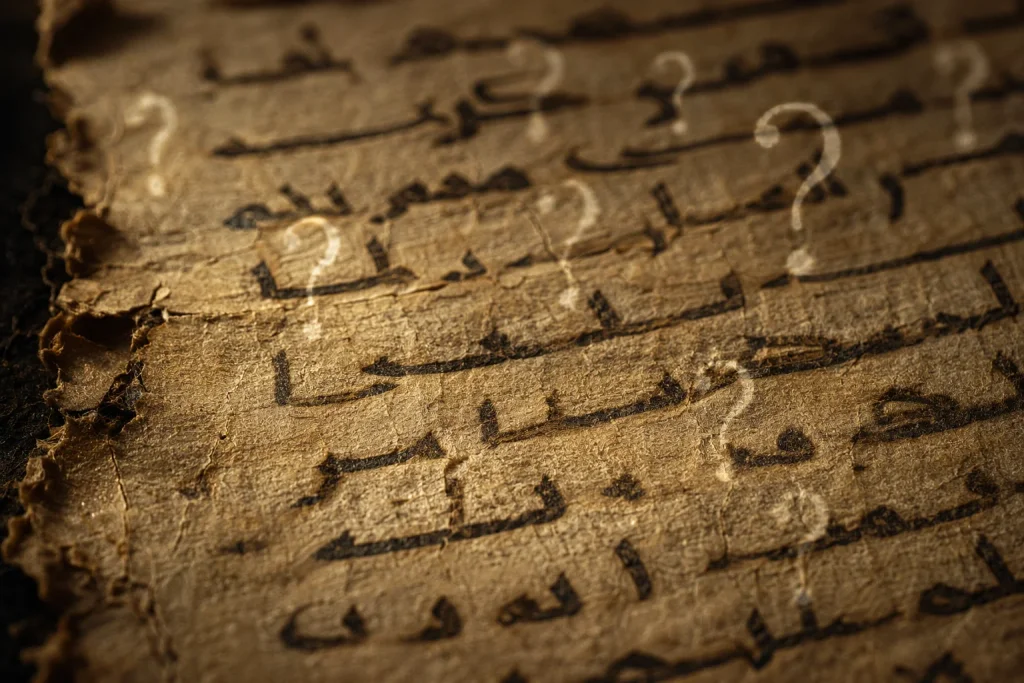
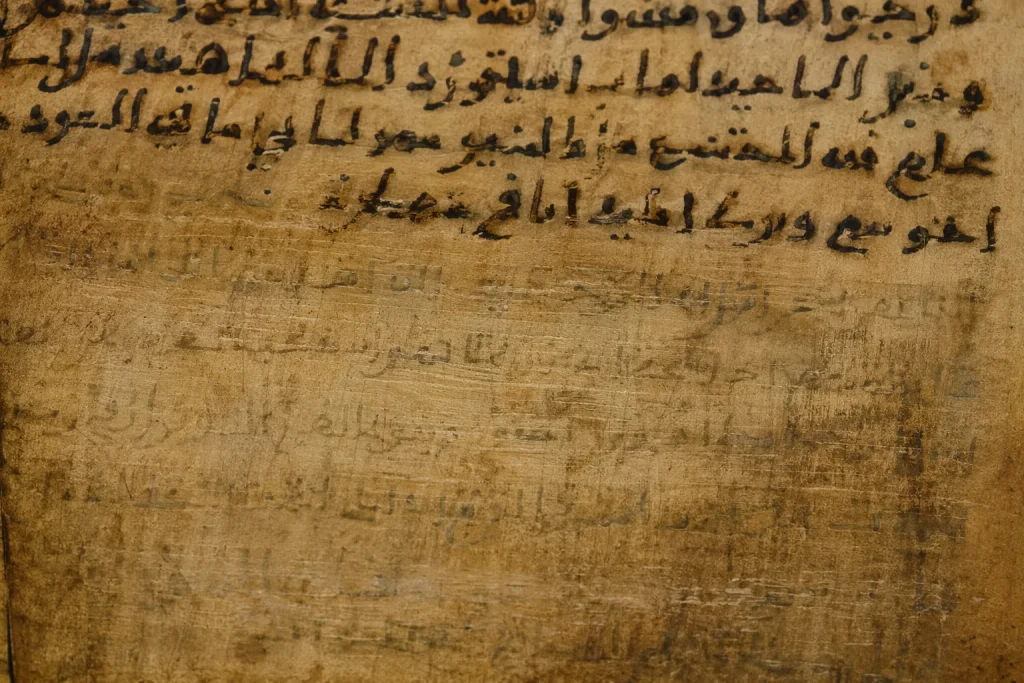
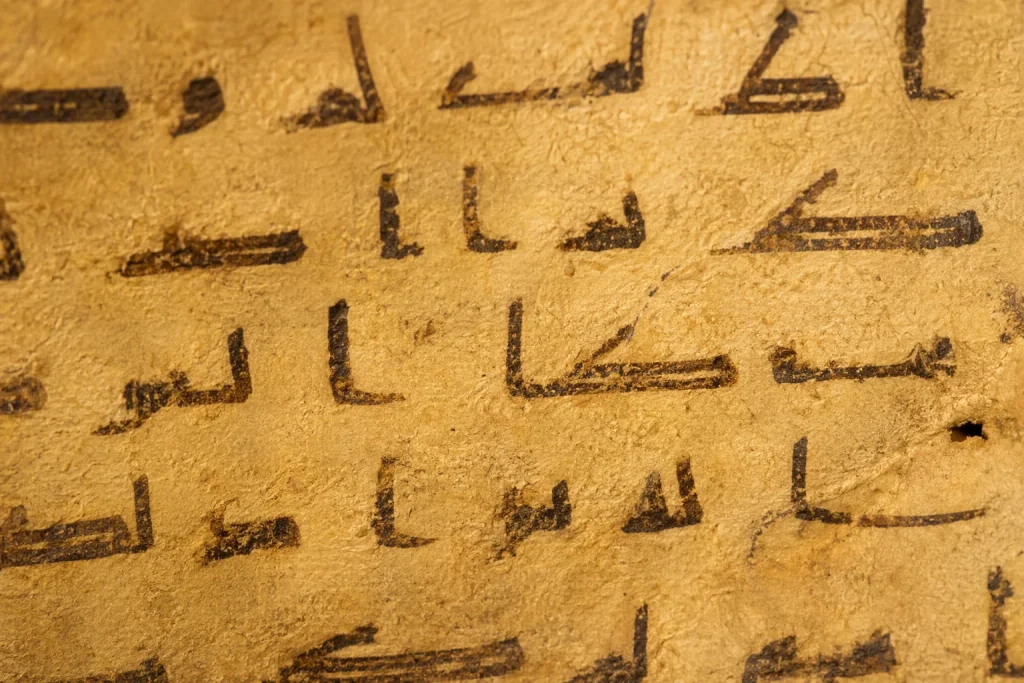
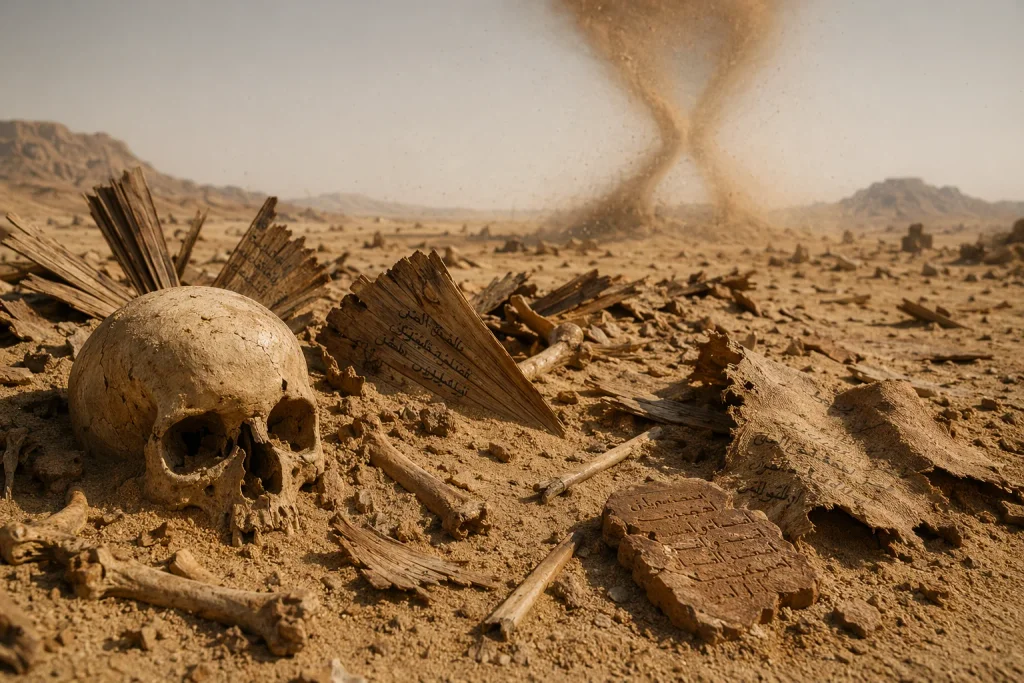
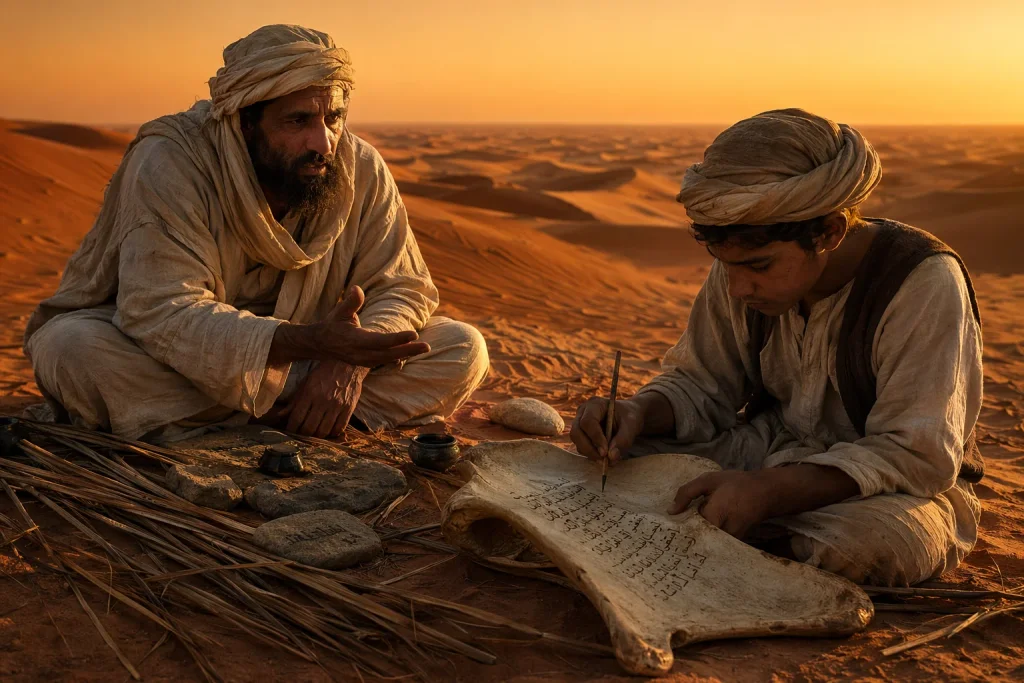
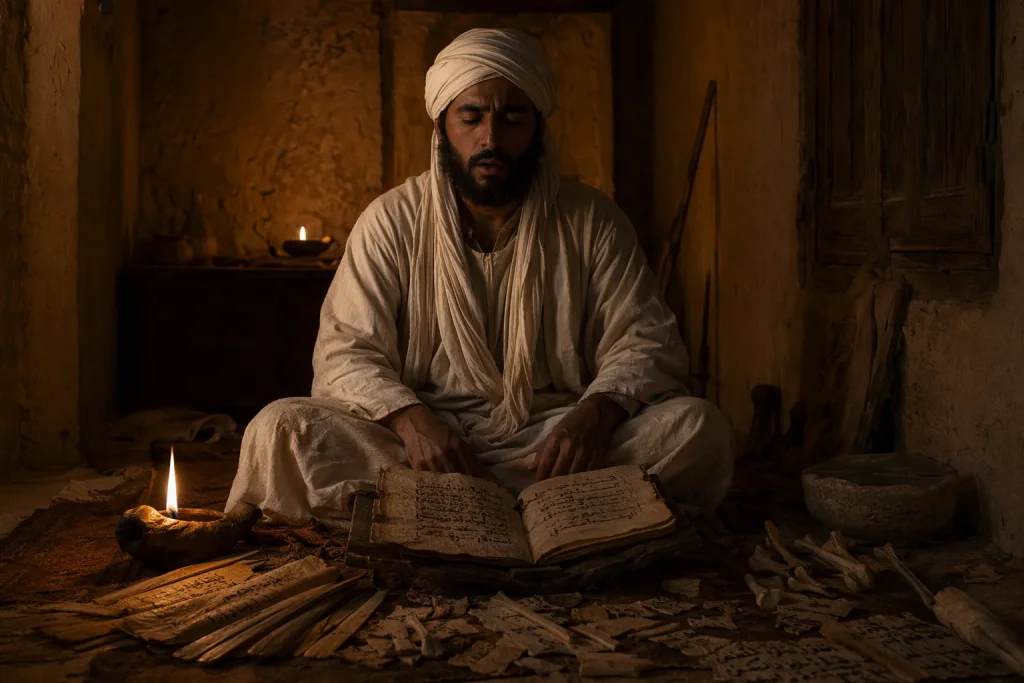
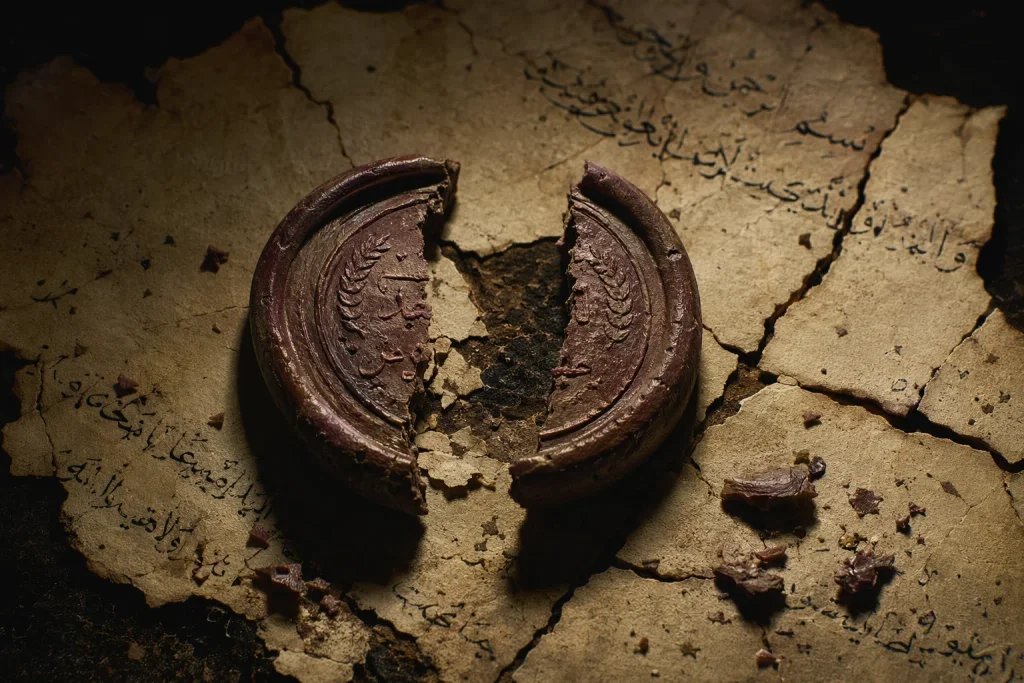
What happens to a bone left in Arabian desert heat for 2–25 years? It cracks. The ink fades. What happens to a palm leaf? It disintegrates. What happens to untreated leather? It rots. The very materials the Quran was written on were actively decaying during the entire period it was supposedly being "preserved."
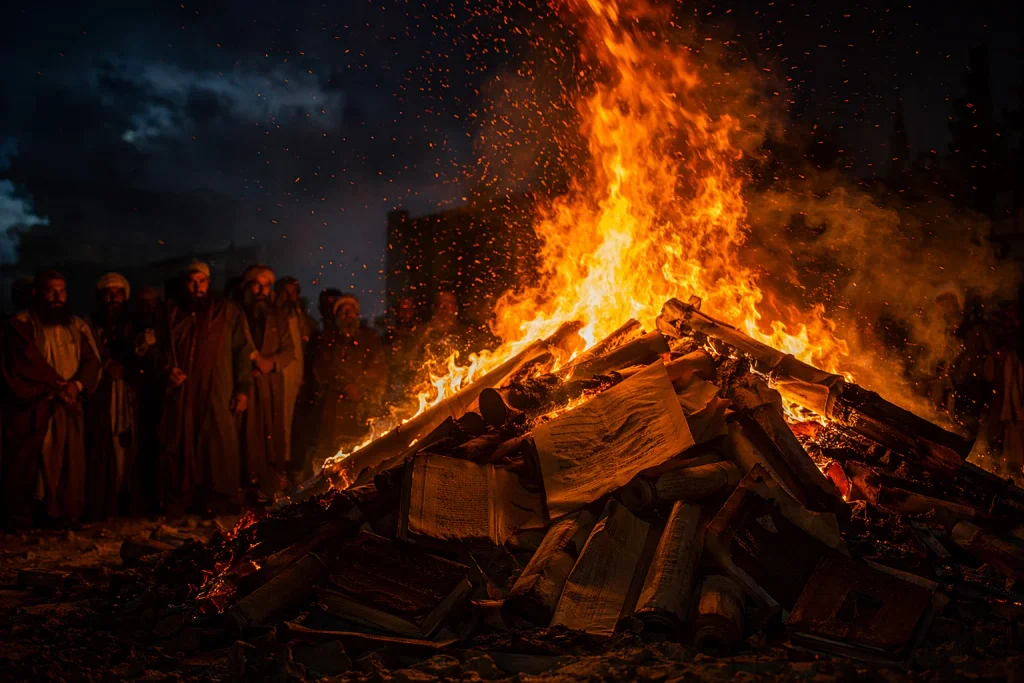
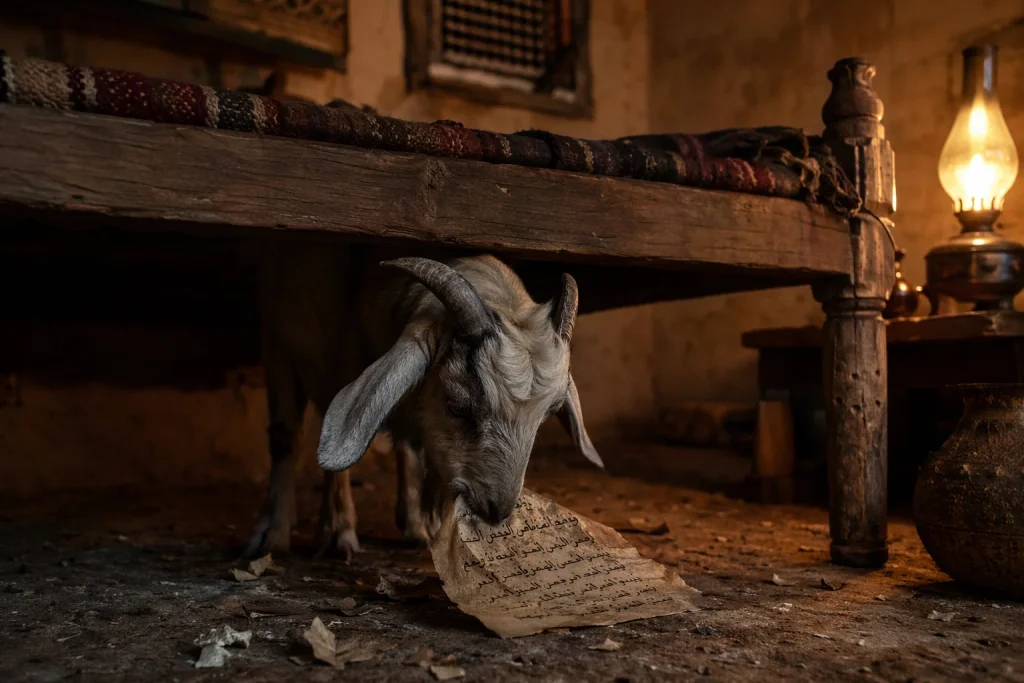
And it wasn't just the elements. Aisha herself testifies that a goat came in and ate the parchment containing revealed verses — the verse of stoning and adult suckling. These verses are not in today's Quran. A domestic animal physically consumed part of the "perfectly preserved" revelation, and it was never recovered.
This isn't speculation — it's basic material science combined with eyewitness testimony from the Prophet's own wife. And the Islamic sources themselves confirm the panic: if the Quran were truly safe in people's memories, why did the death of memorizers at Yamama cause an emergency? Because everyone knew memory alone was not enough.